What’s HALO Jumping? All About High Altitude Skydiving
Tandem Skydiving

Key Takeaways
HALO skydiving – short for High Altitude, Low Opening – is one of the most extreme types of skydiving. Originally developed for military operations, it allows jumpers to exit at altitude of up to 41,000 feet and freefall at speeds exceeding 150 mph before opening their parachute. While it’s becoming increasingly popular among civilians, high altitude skydiving comes with elevated risk factors like hypoxia, decompression sickness. This article explores what is considered a HALO jump, the risks involved, and where civilians can experience it.
What Is a HALO Jump in Skydiving?
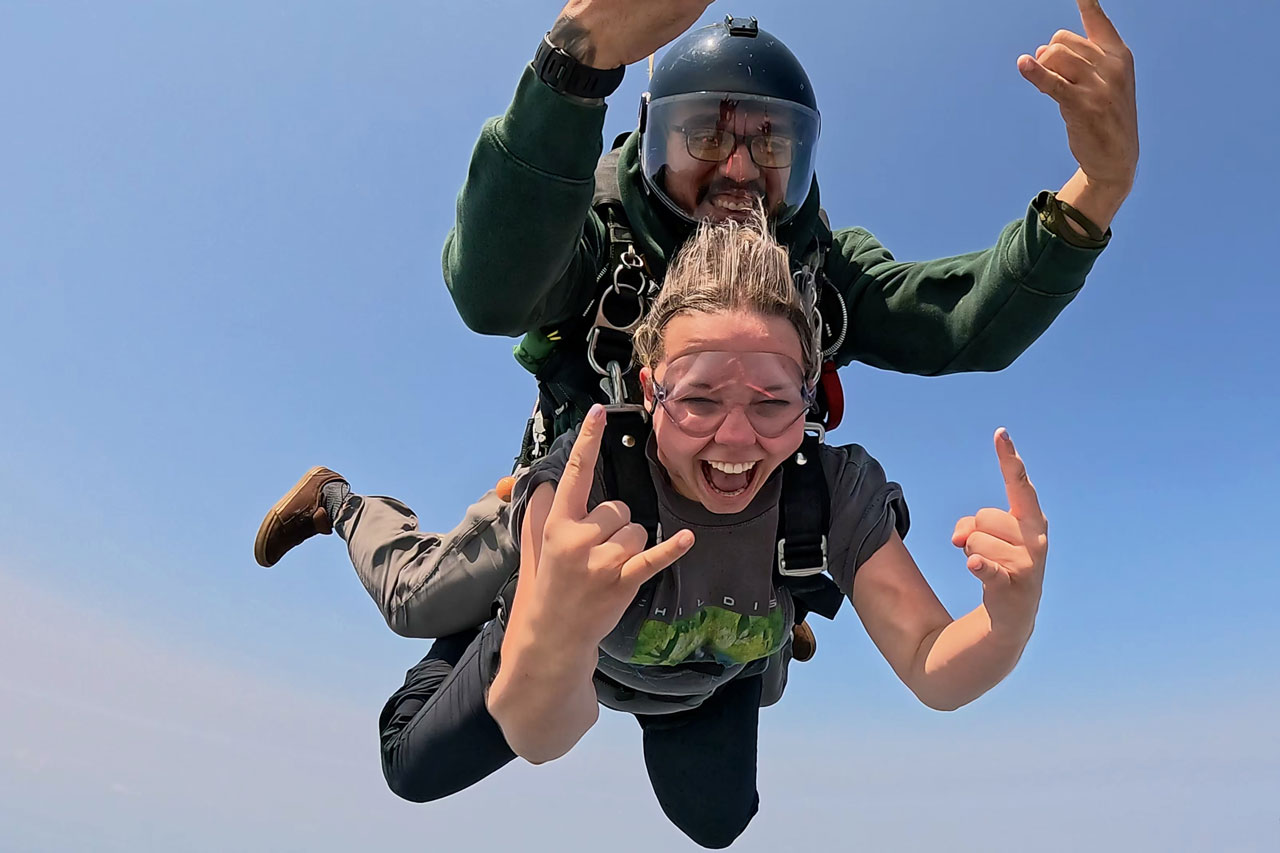
So, what does HALO mean in skydiving? In skydiving terms, HALO skydiving is an acronym that stands for High Altitude, Low Opening – which basically means you jump from a higher than 15,000 feet and deploy your parachute at a standard altitude.
Another similar type of high altitude jump is a HAHO jump – or High Altitude, High Opening – in which the parachute is deployed shortly after exiting the aircraft. This allows the jumper to glide silently for long distances – sometimes tens of miles – to reach a target area far from the aircraft’s dropzone. HAHO jumps required exceptional navigation and canopy control skills.
The HALO/HAHO idea originated in military operations as a way for elite units to enter covertly behind enemy lines. If you’re wondering, “Do Navy SEALs do HALO jumps?”, the answer is yes! Navy SEALs, Green Berets, and British SAS all perform HALO jumps – often at night – with supplemental oxygen and GPS navigation.
HALO High Altitude: How High Do You Skydive From?
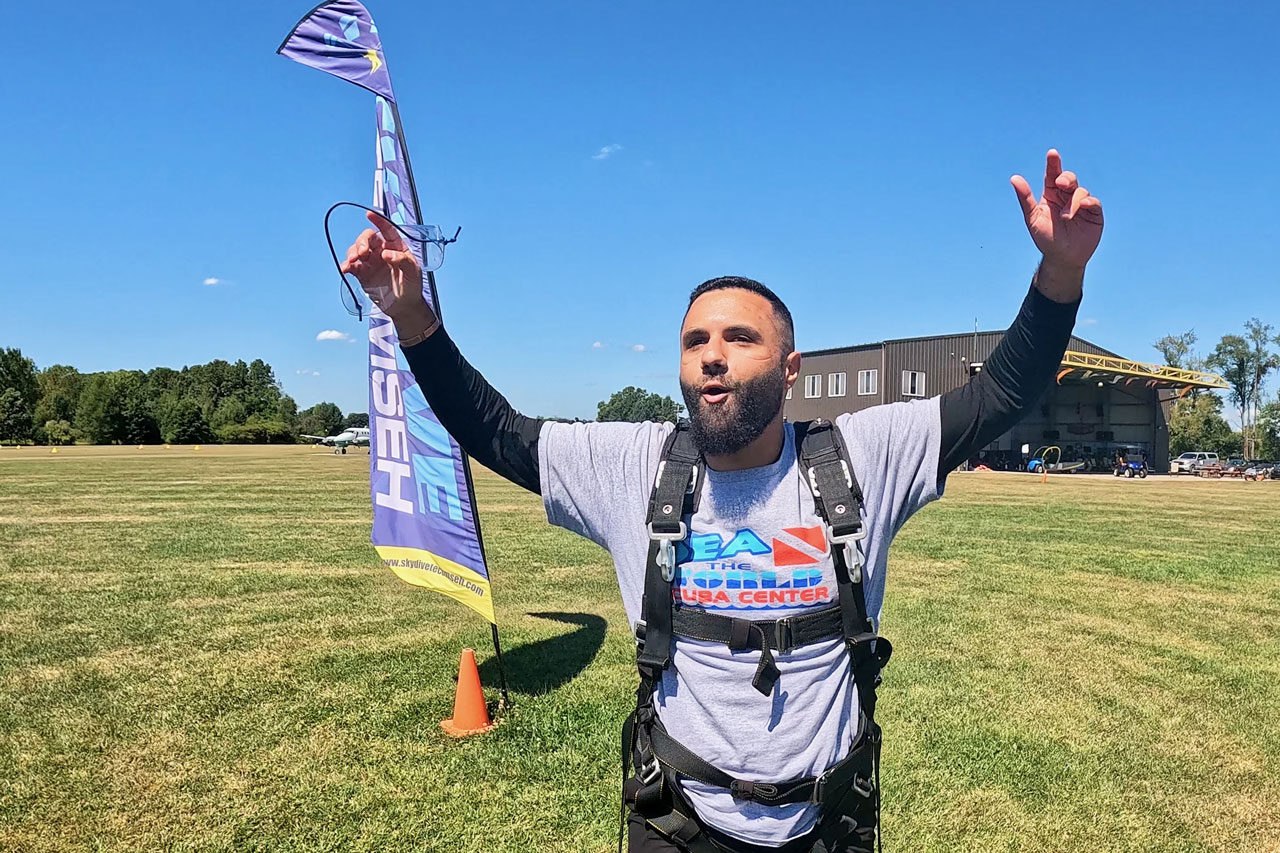
The average altitude for skydiving is generally between 8,000 and 14,000 feet (depending on where you jump). The skydiving height for a HALO jump is technically anything above 15,000 feet and requires the use of supplemental oxygen.
Can Civilians Do a HALO Jump?
There are few dropzones that offer HALO jumps for licensed and/or tandem jumpers, because they require oxygen systems and government clearance.
HALO Jump Skydive: Licensed Jumpers
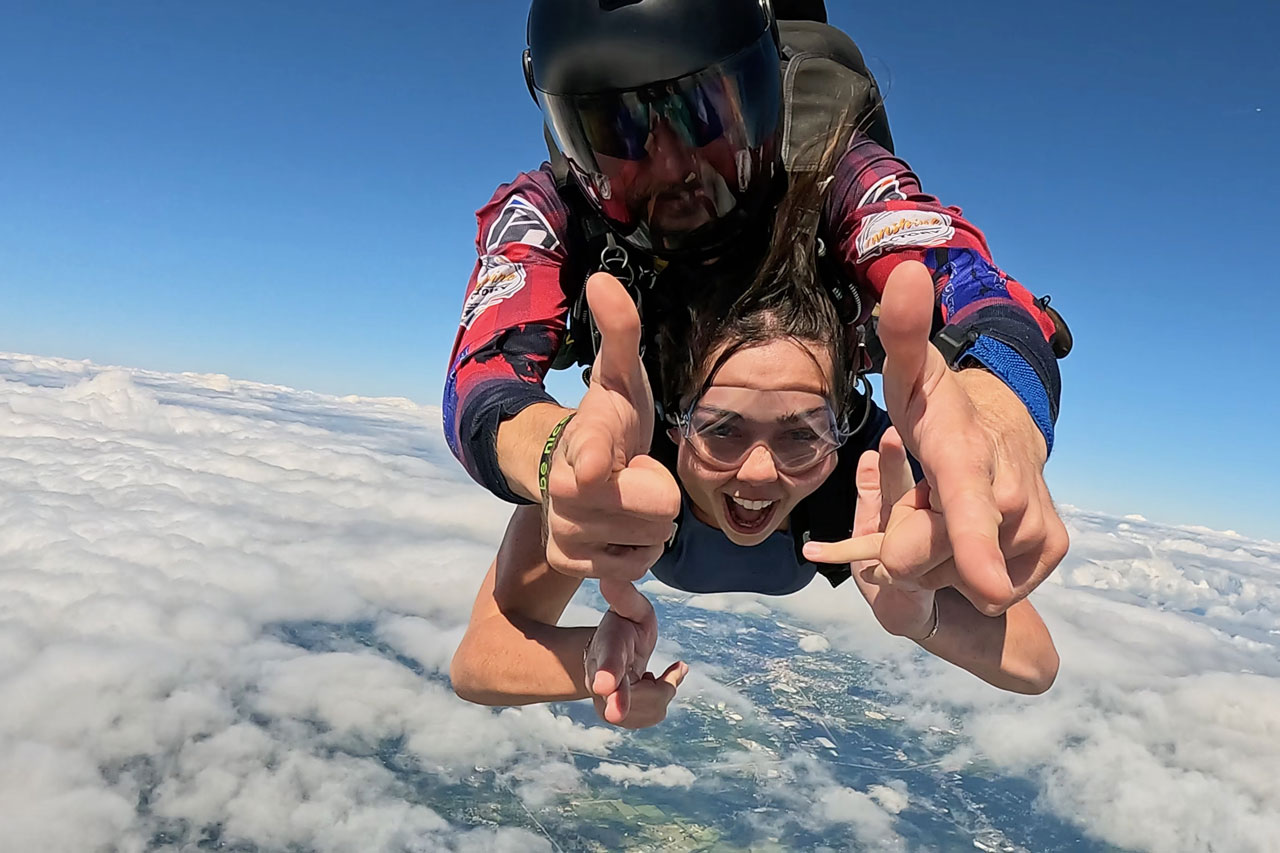
Licensed skydivers can experience HALO jumps after meeting strict training and equipment requirements by the dropzone. Because of the extreme altitudes involved, skydivers must be experienced, current, and obtain a skydiving B-license or higher (or equivalent) depending on the altitude you’re jumping from. The aircraft must be equipped with supplemental oxygen and proper pre-jump procedures must be performed.
These types of jumps are often part of world record attempts, training for different skydiving certifications, or demonstration jumps that push the limits of what’s possible in the sport.
HALO Jump Skydive: Tandem Jumpers
For those who are not licensed, it is still possible to experience a HALO jump tandem – a bucket-list adventure that combines the thrill of extreme altitude with the security of being harnessed to a highly trained instructor. Tandem HALO skydiving gives first-time jumpers the chance to exit an aircraft from 15,000+ feet.
These specialized tandem experiences are offered by very few dropzones due to the complex logistics and safety requirements involved. HALO2, for instance, travels to different dropzones across the United States with all necessary oxygen systems, aircraft modification, and equipment, providing tandem HALO jumps from 24,000 feet. West Tennessee Skydiving’s 41,000-foot jump remains the pinnacle in the US for those seeking the highest HALO jump available to civilians.
Participants must typically complete a medical screening, attend a comprehensive safety briefing, and wear oxygen masks during ascent. You can imagine that a jump from this height costs a pretty penny – we’re talking around $24,000 USD in the case of West Tennessee! While the cost of this tandem HALO jump is significantly higher than a standard skydive, the breathtaking descent from the edge of the stratosphere is truly one of a kind.
HALO Skydiving Risks: High Altitude, High Stakes
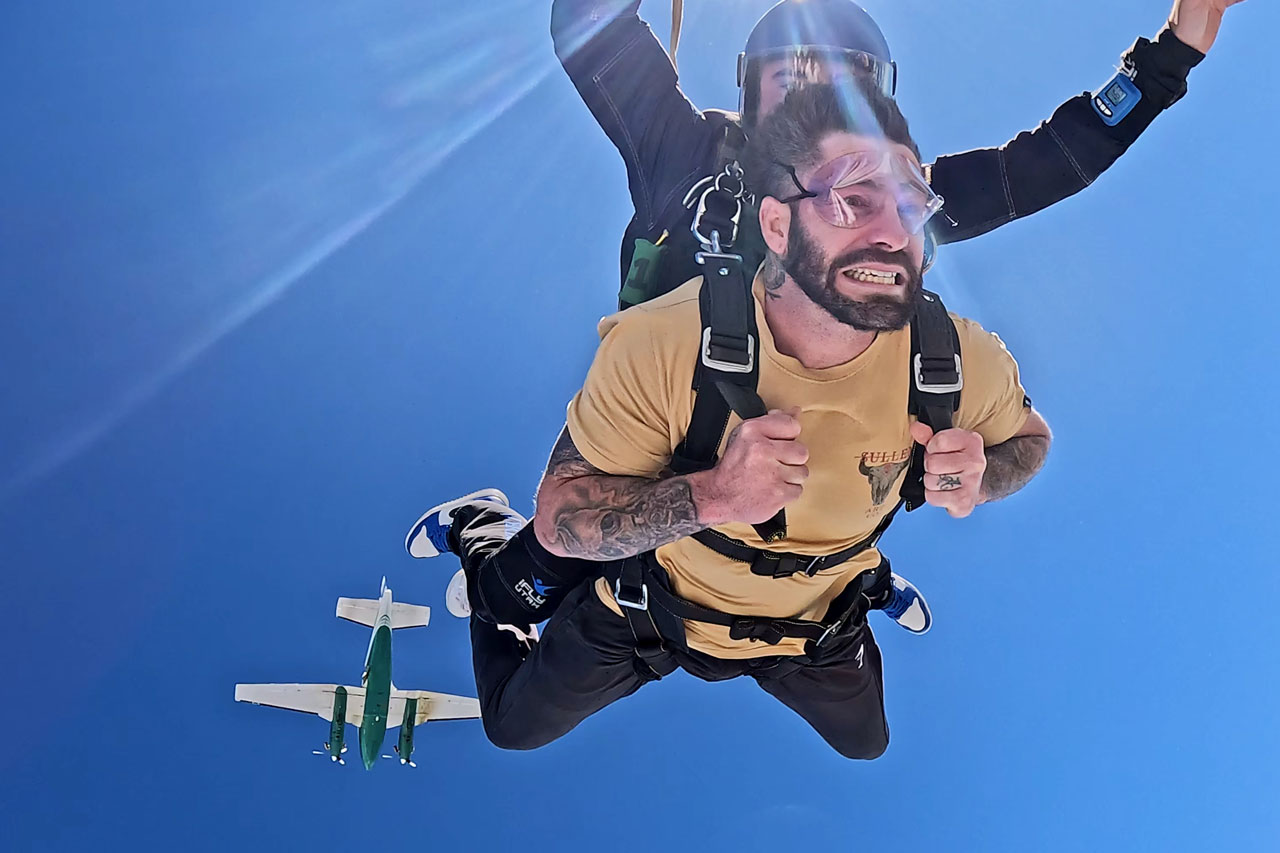
High altitude skydiving is not for the meek. It looks incredible on social media, but it’s more than a casual thrill. HALO skydiving significantly increases the risk of physiological stress along with a much larger margin for error. These risks include:
- Hypoxia: At extreme altitudes, the air is thin and oxygen levels drop rapidly. Jumpers can experience dizziness, confusion, or even loss of consciousness – which is why supplemental oxygen systems are absolutely mandatory for any jumps above 15,000 ft.
- Decompression Sickness (DCS): Similar to what divers experience when surfacing too quickly, decompression sickness – or the “bends” – can occur if nitrogen bubbles form in the bloodstream due to rapid pressure changes. Pre-breathing pure oxygen and taking other precautions before takeoff helps prevent this serious condition. The likelihood of DCS increases with jumps over 18,000 feet – and especially above 25,000 feet – and with repeated exposure.
- Extreme cold and wind chill: Temperatures at high altitude can drop to 50 degrees below normal ground level temperature or colder. The combination of freezing air and 120+ mph freefall winds can cause frostbite or numbness if proper protective gear isn’t worn – which can also affect your ability to fly your parachute.
An experienced jumper, Neil Wilcox, who recently had a terrifying encounter with decompression sickness, recommends looking deeply into all of the protocols and preparations before considering a high altitude jump. Even going as far as considering insurance and aftercare in the off chance that you get the bends while on your jump. When it comes to tandem students, Wilcox urges that you seriously consider and fully understand the risks of performing a high altitude jump before making a potentially life-threatening commitment. Wilcox’s experience proves that no matter how many jumps you have, nobody is immune to the dangers of high altitude jumping.
The Highest (and Fastest) HALO Jump
Considering the thin air at higher altitude, you might be thinking how that could have an impact on your terminal velocity. But just how fast do you fall during a normal HALO jump? Freefall speeds on a typical HALO jump can exceed a whopping 150 mph and freefall times can stretch close to two whole minutes – woo!
The highest HALO jump ever was achieved by former Google executive, Alan Eustace, who jumped from 135,890 feet in 2014. He reached an astonishing 822 mph with four minutes and twenty seven seconds of freefall time, breaking the sound barrier and breaking records during his magnificent stratospheric jump!
Did Tom Cruise Do a HALO jump?
Yes, the one-and-only Tom Cruise performed a HALO jump for 2018 film Mission: Impossible Fallout. He spent a full year training and about 100 jumps to master the stunt, which involved jumping from a plane at 25,000 feet and reaching speeds of up to 200 mph!
If you’re tempted to parachute HALO, be sure to do your research. Choose a certified dropzone, ask about oxygen safety procedures, and respect the limits of your body. Take your adventure to new heights – find a HALO-certified dropzone near you! Blue skies.
You May Be Interested In:
Top Skydiving Tips for Beginners: What Pros Wish They Knew
4 months ago by SKYDIVINGDOTCOM

How Skydiving Impacts Your Body: A Look at the Physical and Adrenaline Response
5 months ago by SKYDIVINGDOTCOM
Skydiving for Special Occasions: Proposals, Celebrations, and More!
7 months ago by SKYDIVINGDOTCOM
How Fast Do You Fall When Skydiving?
9 months ago by SKYDIVINGDOTCOM
DZ Locator
Find a skydiving center near you.