How Skydiving Impacts Your Body: A Look at the Physical and Adrenaline Response
Tandem Skydiving

From the moment you book your skydiving adventure, to the second you step onto the plane, and all the way until your feet touch back down on solid ground, your body undergoes a multitude of changes that can affect your entire existence!
Skydiving is way more than just a fun experience to accomplish in your lifetime; it is a physical, mental, and emotional event unlike anything else in the world that triggers a cascade of physiological responses throughout the body! The effects of skydiving on the body can have a major impact on you short-term and long-term.
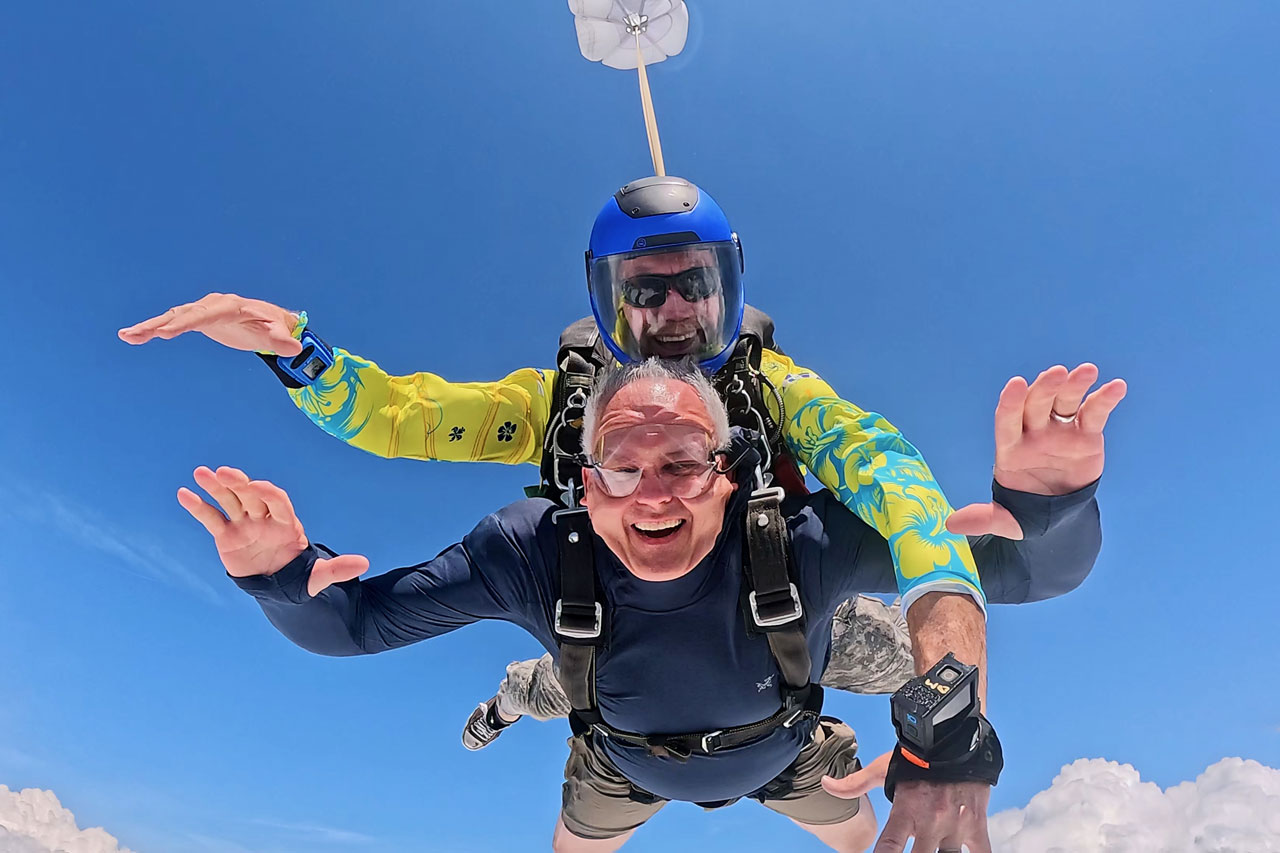
How Does Skydiving Affect Your Body?
When you skydive, your body is exposed to an intense and exciting situation that the brain recognizes as a high-stakes moment. This activates the “fight-or-flight” response within the body, which is a marvelous evolutionary mechanism that prepares your body to handle the challenge you are sensing ahead. It does this by triggering a series of physical and chemical changes.
One of the first things you might notice is an increased heart rate. As you go up in the plane, your anticipation builds and your sympathetic nervous system kicks into high-gear. Once you jump, your body will shift into overdrive, optimizing blood flow and oxygen delivery to all of the muscles in your body. Your respiratory rate may also increase to ensure your body gets enough oxygen during this heightened state.
In addition, skydiving can cause a temporary spike in blood pressure – which is why skydiving may not be recommended for those with pre-existing blood pressure issues. This is the body’s way of ensuring all vital organs are adequately supplied with blood as you handle the stress trigger.
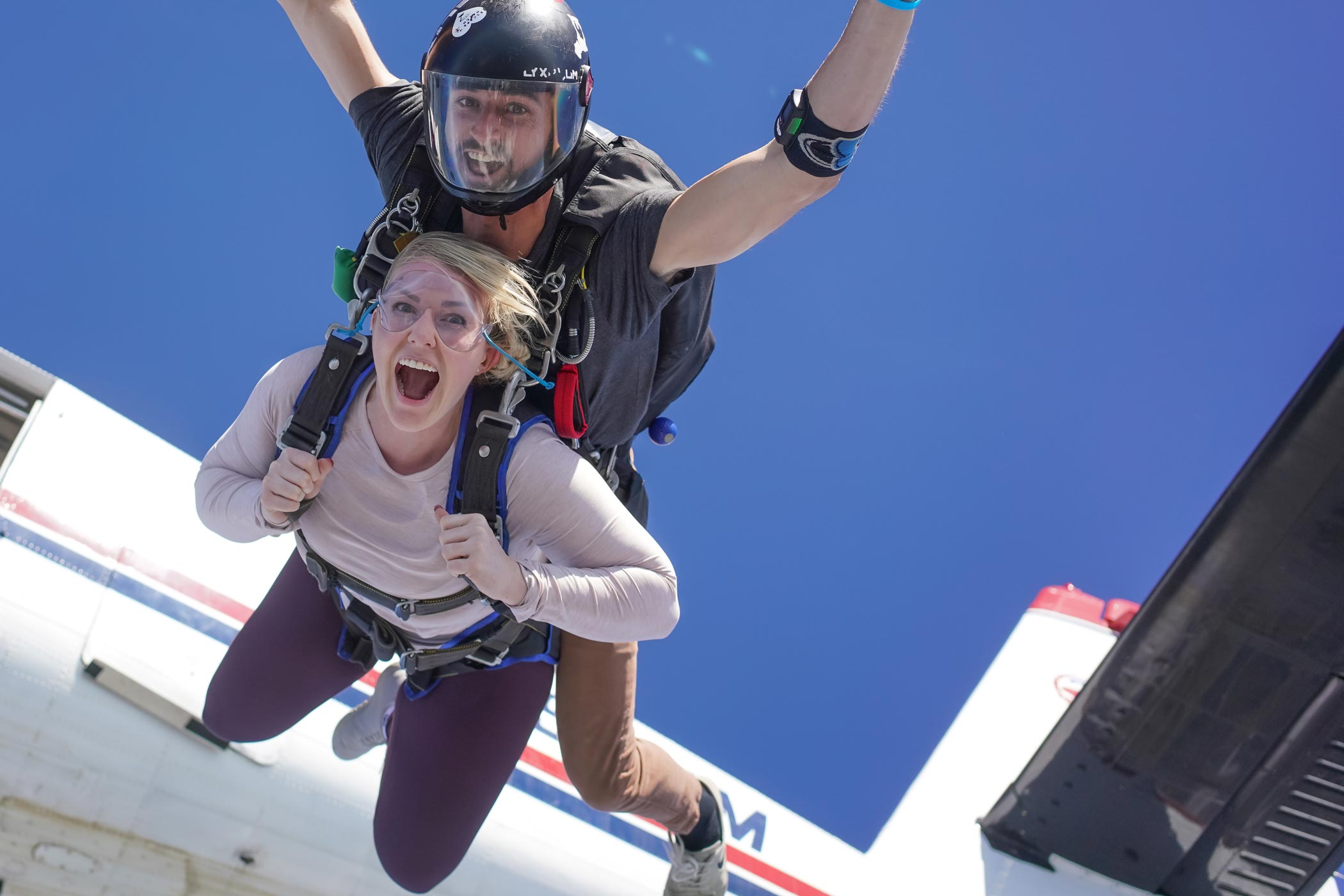
What Hormone is Released When Skydiving?
Skydiving triggers the release of a chemical cocktail of feel-good hormones: serotonin, dopamine, and adrenaline. These chemicals are beneficial to our lives in more ways than one and are the reason why skydiving makes us so happy (and why it’s so addicting)!
Benefits of Serotonin from Skydiving
This hormone is released in response to the intense emotions and sensations of skydiving. Serotonin has the power to improve mood, sleep, and symptoms of anxiety. Increased serotonin levels can create a sense of calm throughout your body, fight depression, and even increase your sex drive!
Benefits of Dopamine from Skydiving
The dopamine neurotransmitter is linked to feelings of pleasure and the brain’s reward system. This is why you get an overwhelming feeling of happiness and excitement after your jump. It can positively impact your mood, memory, alertness, and even sleep!
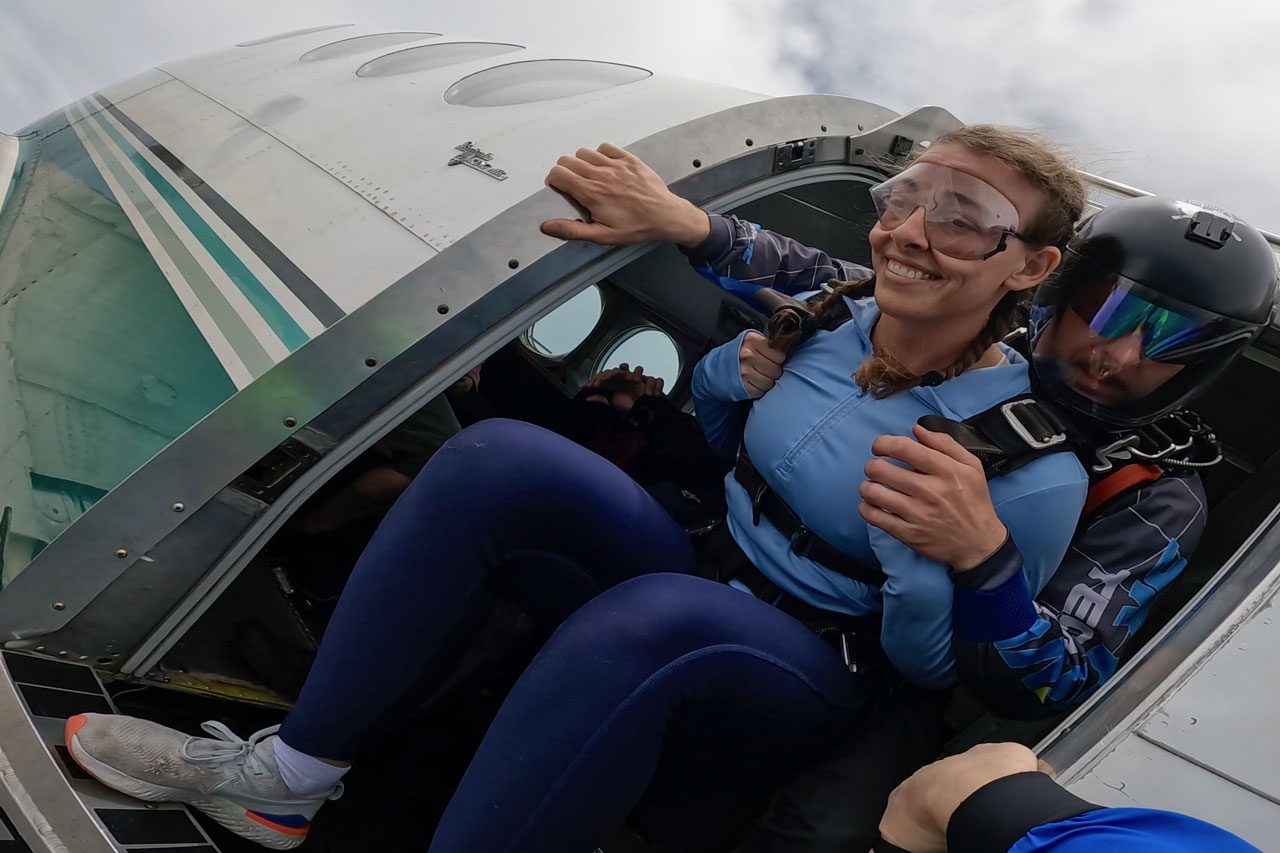
Benefits of Adrenaline from Skydiving
Oh yes, we can’t forget about the star of the show – adrenaline! Skydiving gives you a major adrenaline rush by releasing a ton of epinephrine into your veins to “prepare for battle.” Adrenaline is a powerful hormone released by the adrenal glands during moments of excitement, fear, or intense focus. It plays a critical role in your body’s stress response, preparing you to react quickly to a high-stakes situation.
It does this by accelerating your heart rate, relaxing your airways, and dilating your pupils. All of these physiological changes improve mental focus, give you a quick energy boost, and make you feel superhuman!
Long-Term Effects of Skydiving on the Body
The combination of these hormones can make you feel incredible and give you an afterglow that can last long after your skydive. While adrenaline is often associated with its short-term effects, it also comes with several surprising benefits, many of which can contribute to your overall well-being.
These hormones sharpen your focus and heightens your senses, improving mental clarity and helping you stay focused on the present moment. This not only helps you fully experience the thrill of the jump, but gives you a whole new perspective that has the power to inspire you for a lifetime.
Engaging in a thrilling activity like skydiving can act as a reset for your body’s stress response. By confronting and overcoming a challenging situation, many people feel a sense of relief and relaxation as early as the first step out of the airplane. This feeling – accompanied by the surge of endorphins is the body’s natural “happy hormones” – creates a sense of euphoria that can last for hours or even days after your jump. What’s more, achievement can play a key role in helping you overcome fear and take the leap, which translates into increased confidence in other areas of your life.
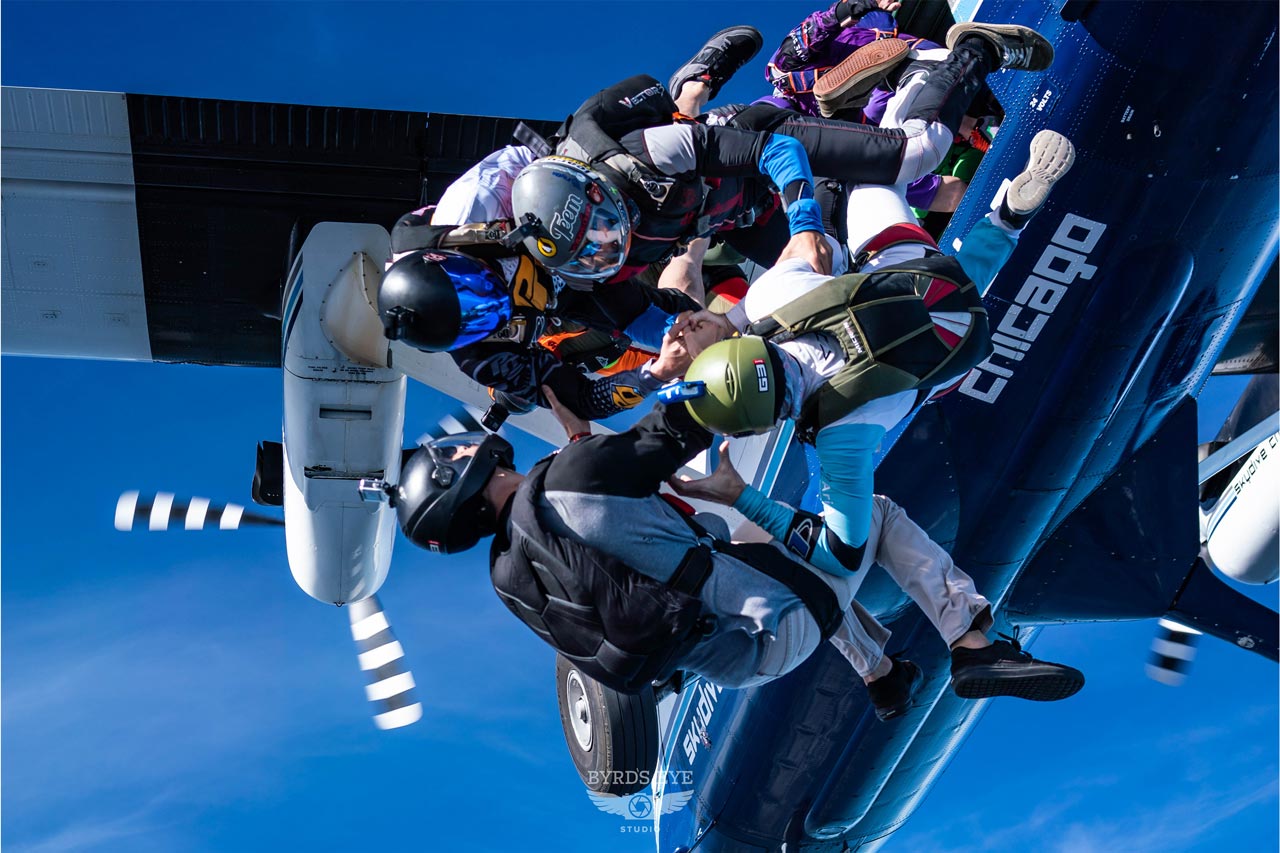
The Effect of Skydiving on the Cardiovascular System
It’s no secret that skydiving gets your heart-pumping, but for a generally healthy individual this won’t count you out of skydiving. The temporary increase in heart rate and blood pressure is a natural response to the excitement and physical demands of the jump. For many, it’s even beneficial.
Engaging in adrenaline-pumping activities like skydiving has been shown to improve overall heart health by promoting better blood circulation and oxygen delivery. For those who regularly skydive, these benefits can contribute to improved cardiovascular fitness over time.
However, it’s important to note that individuals with pre-existing heart conditions or other health concerns should consult with a medical professional before attempting to skydive.
Skydiving: A Mind and Body Experience
The physical effects of skydiving are only part of the story – skydiving has a profound impact on your mental and emotional well-being, too. The combination of adrenaline, endorphins, and extraordinary accomplishment can leave you feeling more connected to your body and more appreciative of life itself. Many go so far as to describe skydiving as transformative.
Are you ready to push beyond your comfort zone and embrace the unknown? Book your skydiving adventure today! Blue skies.
You May Be Interested In:

Top Skydiving Tips for Beginners: What Pros Wish They Knew
4 months ago by SKYDIVINGDOTCOM

Skydiving for Special Occasions: Proposals, Celebrations, and More!
7 months ago by SKYDIVINGDOTCOM

How Fast Do You Fall When Skydiving?
9 months ago by SKYDIVINGDOTCOM

What to Wear Skydiving?
9 months ago by SKYDIVINGDOTCOM
DZ Locator
Find a skydiving center near you.