Indoor Skydiving vs. Outdoor Skydiving: Pros and Cons
General

Skydiving is an experience that has captivated everyone for decades, from the adventure enthusiast to the homebody just looking for a change. But recently, skydiving indoors has gained popularity. Not only because it provides a unique alternative to traditional outdoor skydiving but because it has become its own sport entirely.
However, the debate around indoor skydiving vs outdoor skydiving persists and raises many questions. What are the differences? What is the point of indoor skydiving? And which one should you try? We’ve got all of your answers right here as we take a closer look at indoor skydiving vs real skydiving and how they compare in every way possible.
What Is Indoor Skydiving?
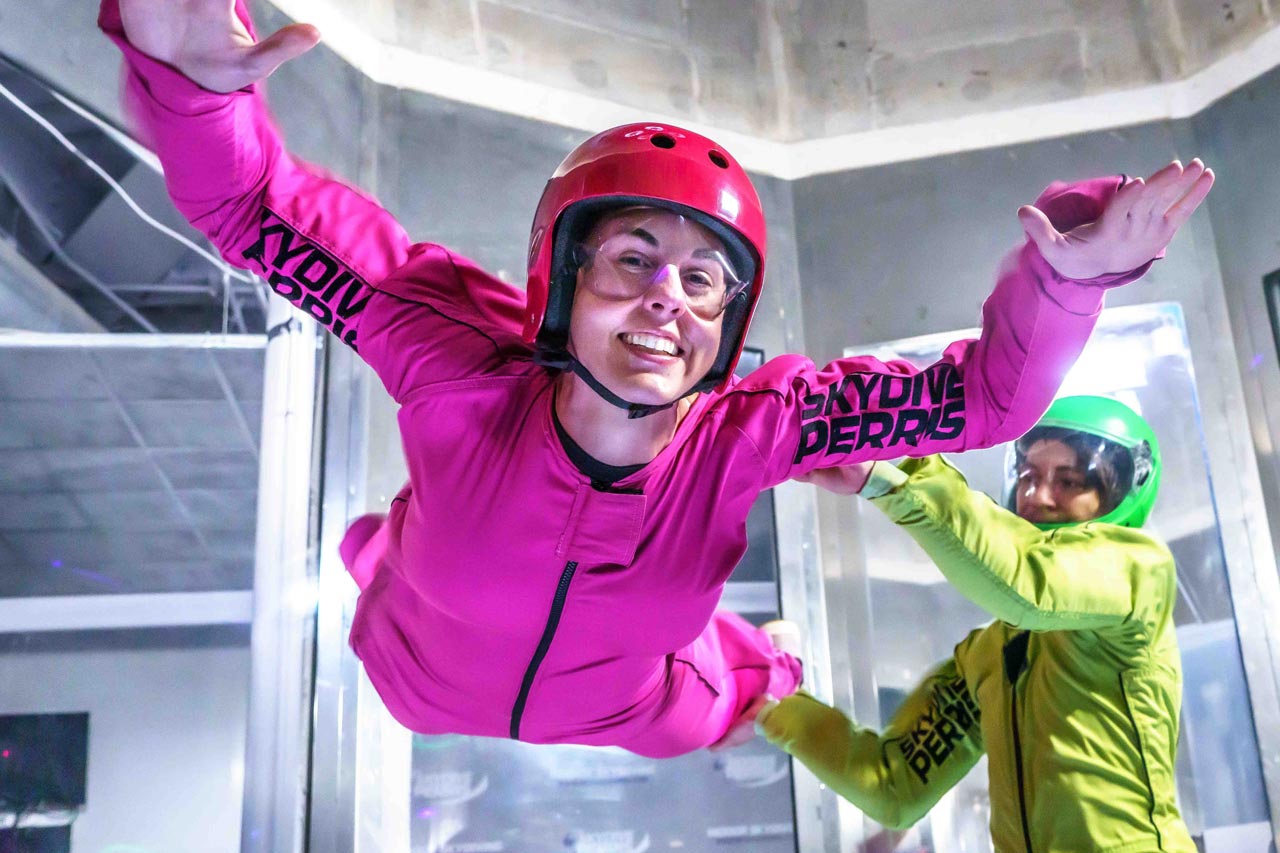
Indoor skydiving takes place in a vertical wind tunnel, a specialized facility designed to create strong air currents that simulate the sensation of freefall. Wind tunnel designs can vary from place to place but most vertical wind tunnels work by redirecting the air around the building to make sure the wind is as even as possible when it enters the flight chamber.
Indoor skydiving is an excellent introduction to the sensation of freefall, particularly for those nervous about heights or jumping from an aircraft. While indoor skydiving has its own risks associated with it, it offers a way to enjoy the feeling of flying without the high risk and logistical challenges associated with outdoor skydiving. Indoor skydiving is also a valuable training tool for experienced and student skydivers to practice body positioning and maneuvers in a controlled environment.
Skydiving Vs. Indoor Skydiving: Key Differences
Each activity offers unique thrills and challenges. But when deciding between skydiving vs indoor skydiving, it’s important to understand how these experiences differ in terms of environment, duration, and emotional impact.
1. Environment
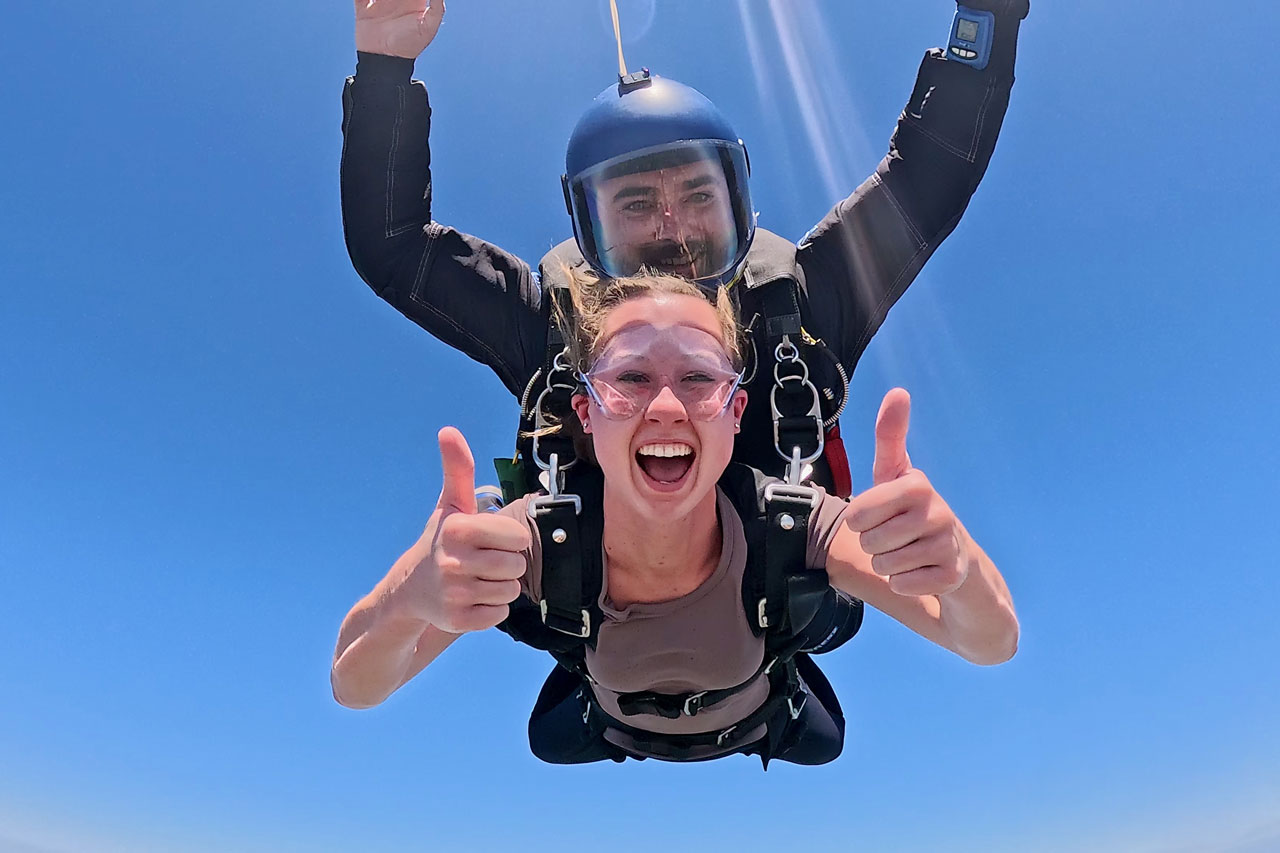
When comparing skydiving vs indoor skydiving, the most obvious difference is the environment. Outdoor skydiving begins with a plane ride to altitude, an exhilarating freefall followed by a peaceful parachute ride back down to the ground. The experience is highly sensory, combining the heart-pumping anticipation on the plane ride up, the adrenaline rush on exit, breathtaking views, and the awe-inspiring parachute ride. It is other-worldly.
In contrast, indoor skydiving takes place in a stationary tunnel, where powerful fans create upward airflow to keep you suspended. While indoor skydiving comes with its own sense of excitement, it’s nothing compared to the thrill of jumping from an airplane.
2. Duration
The duration of the experience is another significant difference. How long does indoor skydiving last? A typical session in a wind tunnel lasts about two minutes total, depending on the flight package you purchase. While this may seem short, in comparison to outdoor skydiving – you’re only getting about 45 to 60 seconds of freefall time. However, outdoor skydiving does provide a longer overall experience with a five to seven minute parachute flight following your adrenaline-pumping freefall.
3. Emotional Impact
The emotional impact of each experience also differs significantly. Does indoor skydiving feel the same as outdoor skydiving? Not quite. While the physical sensation of freefall is similar to skydiving, it particularly lacks the visceral thrill of exiting an aircraft and the serene beauty of descending under a beautiful canopy. A skydiving experience has the ability to move you to tears and totally change your life, while indoor skydiving is usually just a fun activity.
The Benefits of Indoor Skydiving
Indoor skydiving offers several advantages that make it appealing to a wide range of participants.
1. Safety:
People often wonder, is indoor skydiving safer than skydiving? The answer is a resounding yes. While there are certainly risks associated with indoor skydiving, it is far less than skydiving outdoors. Without planes, parachutes, or exposure to unpredictable weather, indoor skydiving reduces risks. The controlled environment and constant supervision by trained indoor skydiving instructors makes it ideal for beginners and even children to feel the sensations of freefall.
What is the risk of indoor skydiving? Minor risks include bumps or bruises from collisions with the glass surrounding the wind tunnel, shoulder dislocations, sore muscles from assuming the bodyflight position, and issues related to pre-existing medical conditions. Before participating in indoor skydiving, you are required to fill out a safety waiver.
2. Accessibility & Cost:
- Weather: Unlike outdoor skydiving, which depends highly on favorable weather conditions, wind tunnels operate year-round. This means you can enjoy indoor skydiving regardless of rain, wind, clouds, or temperature.
- Age Restrictions: Most skydiving centers have an age limit of 18 years old, whereas indoor skydiving is fun for the whole family. Children as young as three can participate in indoor skydiving with a parent/guardian approval. What a great way to get a jump start on your skydiving license! Once you’re 18 and ready to take on the skies, you’ll be ready for the pros.
- Indoor Skydive Price: It is also a cost-effective option for those on a budget. When comparing indoor skydive prices to the cost of a tandem skydive ($200 to $300), indoor sessions are generally more affordable at about $60 to $100 per flight – making it a budget-friendly way to try the experience.
3. Training:
Does indoor skydiving help with real skydiving? Absolutely! For those considering getting their skydiving license in the future, indoor facilities provide a fantastic training ground to help prepare for real skydiving. Many experienced skydivers use wind tunnels to refine their skills, practice body positioning, and master advanced flying maneuvers. The tunnel provides a controlled environment that allows for precise feedback from trained bodyflight instructors and repetition with easy access to the wind.
Does Indoor Skydiving Count as Skydiving?
While indoor skydiving does feel the same as outdoor skydiving when it comes to the actual wind flowing around you, many skydiving enthusiasts argue that indoor skydiving doesn’t count as real skydiving. It lacks the defining elements of a traditional jump. There’s no plane ride, no increase in altitude, and no open sky – just a stational tunnel. For those loyal to traditional skydiving, this can make the experience feel less authentic. It doesn’t provide the scenic views, the understanding of taking a big risk, or feeling one with nature in the immersive sense of adventure that comes with outdoor skydiving. The controlled setting of a wind tunnel may feel repetitive and inauthentic compared to the unpredictability and grandeur of the open sky – which is the true beauty of skydiving.
Is Indoor Skydiving Worth It?
Everyone has their opinions and while we think skydiving is a better overall experience, at the end of the day indoor skydiving is absolutely worth it. It offers a fantastic way to experience the sensation of freefall, whether you’re a beginner or an experienced skydiver looking to hone in on your skills. In comparison, they are two totally different experiences with one thing in common – bodyflight!
Ultimately, the choice between indoor skydiving vs. outdoor skydiving comes down to personal preference. If you’re looking for an accessible and cost-effective way to experience bodyflight, indoor skydiving is an excellent option. If you’re seeking an authentic, adrenaline-fueled adventure with stunning views and an unforgettable sense of achievement capable of changing your life, outdoor skydiving is hard to beat! Regardless of your choice, both activities provide unique ways to embrace the fun of flight – the sky truly is the limit!
Ready to experience the real thing? Book your adventure. Blue skies!
You May Be Interested In:

Top Skydiving Boogies Worth Traveling For
2 weeks ago by SKYDIVINGDOTCOM

Best Places to Skydive in the World | Top Skydiving Destinations 2026
1 month ago by SKYDIVINGDOTCOM

What Are the Different Types of Skydiving? Disciplines Explained
2 months ago by SKYDIVINGDOTCOM

How to Get Into Wingsuiting
2 months ago by SKYDIVINGDOTCOM
DZ Locator
Find a skydiving center near you.