What is an Automatic Activation Device (AAD) in Skydiving?
Skydiving Safety

Skydiving is often viewed as the ultimate thrill that combines freedom and adrenaline. But behind every jump from a “perfectly good airplane” is a carefully orchestrated network of safety protocols, equipment, and training.
One essential piece of modern skydiving gear is the Automatic Activation Device, or AAD. Whether you’re brand new to the sport or a licensed skydiver, understanding what an AAD is and how it works is key to appreciating the advanced safety systems that support every jump.

What is an AAD in Skydiving?
An Automatic Activation Device (AAD) is a small but mighty electronic device that acts as a last-resort safety mechanism during a skydive. If a skydiver is unable to deploy their parachute for any reason (loss of consciousness, medical emergency, etc.), the AAD automatically deploys the reserve parachute at a predetermined altitude and speed.
The reserve parachute is a back-up parachute all skydivers jump with in case the main parachute malfunctions for any reason. To ensure proper functionality, this critical piece of kit is packed, repacked, and inspected every 180 days by an FAA-certified parachute rigger – regardless of whether it’s been used or not.
What is the Purpose of the Automatic Activation Device?
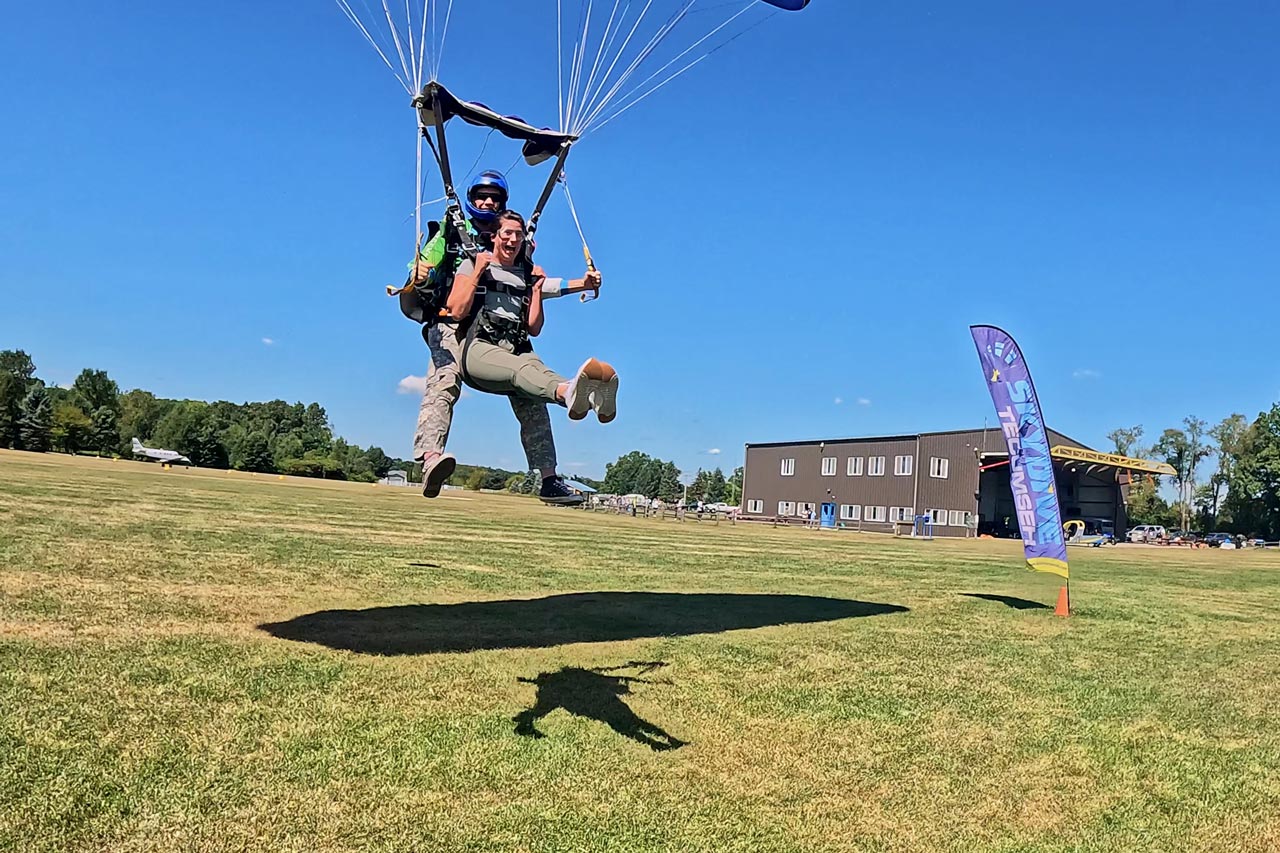
The primary purpose of an AAD skydiving device is to serve as a backup in life-threatening situations. While licensed jumpers are trained to deploy their main parachutes and use emergency procedures in case of malfunction, things can still happen beyond our control – this is when the AAD comes to play.
The AAD parachute system is designed to intervene when everything else fails and is especially critical during student jumps, where beginners may forget skydiving emergency procedures; tandem jumps, where the instructor is responsible for another person; and high-speed disciplines like wingsuit flying and swooping.
While an AAD does not replace training, awareness, or good judgment, it does serve as a last resort should things go wonky.
How Does an AAD Work?
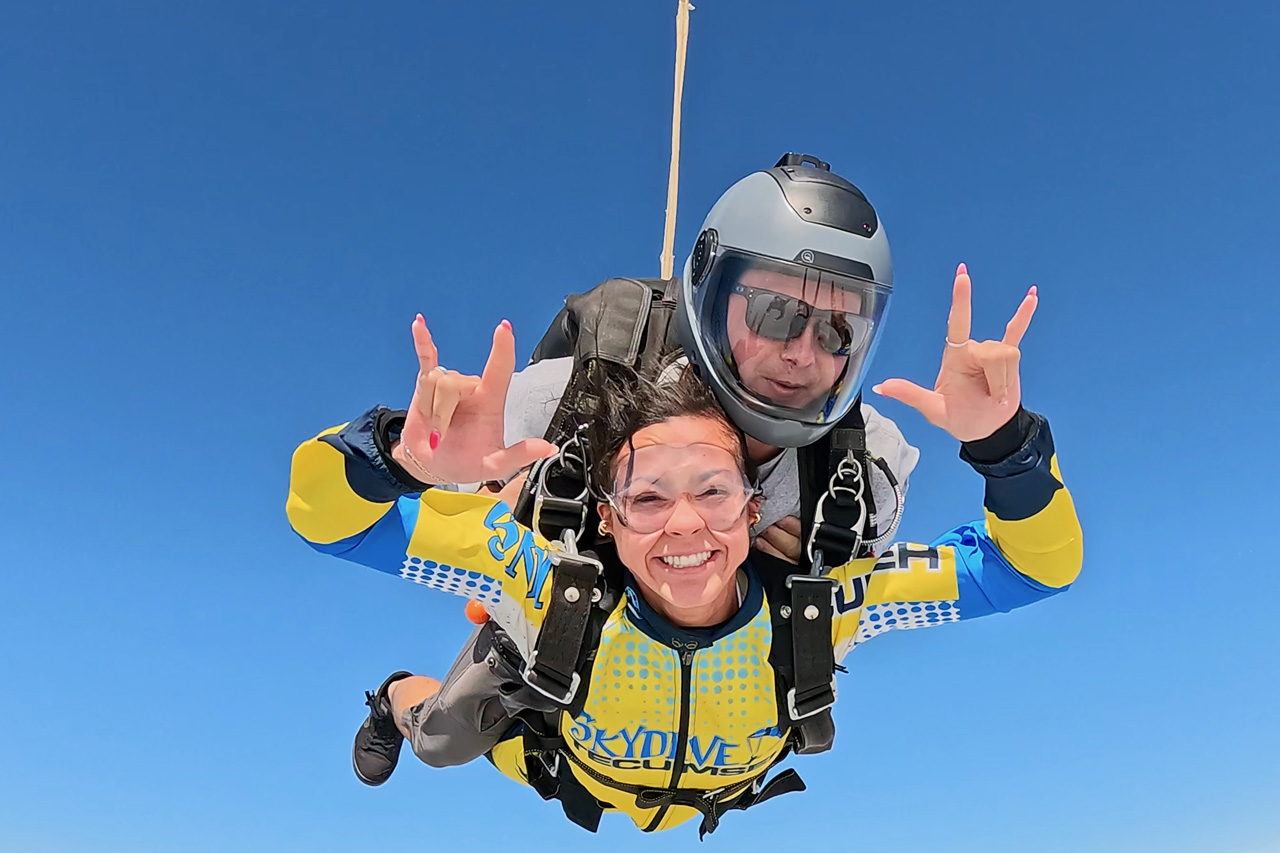
How does an AAD work, exactly? Accuracy is everything when it comes to automatic deployment. To ensure correct operation, AAD skydiving devices use precise barometric sensors and are carefully calibrated by the manufacturer.
When turned on at ground level, the AAD sets the baseline pressure to “zero altitude.” From there, it continuously reads changes in pressure to determine real-time altitude. If the descent speed at a specific low altitude exceeds a certain threshold, the AAD activates. This is why the AAD needs to be on before any skydive. If the AAD isn’t turned on before the skydive, it simply won’t function. The quick habit of turning on your AAD before jumping could be life-saving and is a key part of dropzone safety culture worldwide.
There are three main parts of an AAD: the control unit, processing unit, and cutter unit. These components work together to monitor, evaluate, and act if an emergency arises. Let’s break down the key components of the Automatic Activation Device:
- Control Unit: This is the user interface, often visible near the top of the container system. It allows the skydiver (or rigger) to turn the AAD on or off, check battery levels, and confirm readiness before the jump.
- Processing Unit: The processing unit contains barometric sensors and a microprocessor. This unit calculates your altitude and rate of descent by continuously sampling atmospheric pressure. It distinguishes between normal and emergency descent profiles.
- Cutter Unit: This is the action hero of the device. If the system determines that the descent is unsafe (too fast and too low), the cutter severs the reserve’s closing loop, initiating the parachute deployment sequence, and allowing the reserve parachute to deploy automatically.
This entire process happens in a fraction of a second. The skydiver doesn’t need to do anything to initiate this process – the AAD reacts automatically based on programmed parameters.
AADs for Different Skydiving Disciplines
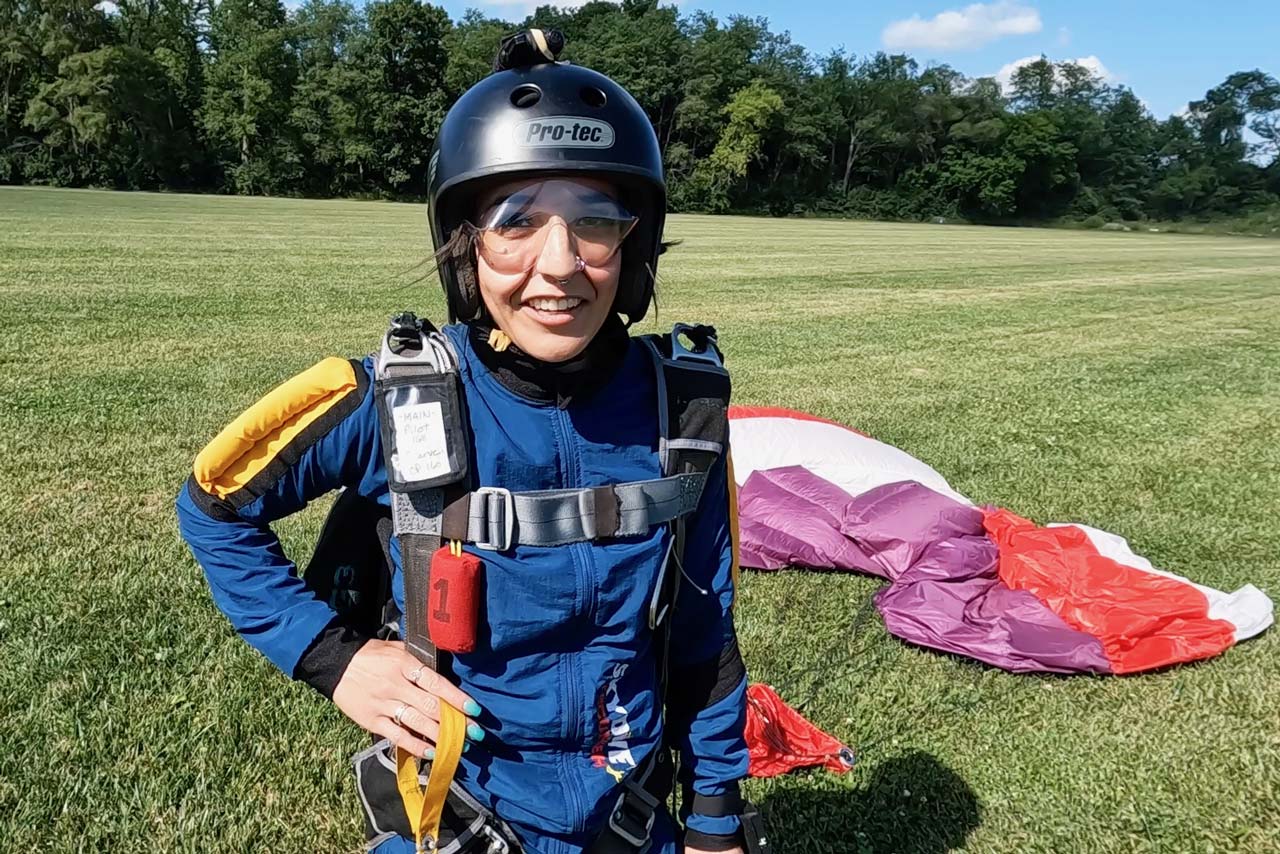
Not all AADs are calibrated the same. Today’s manufacturers offer discipline-specific devices or adjustable modes to suit various types of jumps. Some common settings include:
- Student Mode: Deploys at a higher altitude, allowing extra time for a reserve to open.
- Tandem Mode: Calibrated for the extra weight and drag of two people jumping together.
- Wingsuit Mode: Adjusted to account for unique flight characteristics and slower fall rates.
- Expert/Pro Mode: Designed for experienced skydivers who may use more aggressive flight techniques and need higher activation thresholds.
How Much Does an AAD Cost for Skydiving?
A high-quality AAD typically ranges between $1,000 and $1,500 USD, depending on the brand and special features. While that may seem like a hefty investment, many consider it non-negotiable – your AAD is your literal lifesaver!
Popular brands include:
These devices are often sold with a 15 to 20 year lifespan and require periodic maintenance or checks as outlined by the manufacturer.
AADs and Skydiving Safety
Thanks to technological advancements like the Automatic Activation Device skydiving system, as well as stringent training and protocols, skydiving safety statistics have consistently improved. As a global skydiving community, we prioritize life, learning, and longevity – and the AAD is a cornerstone of that culture.
Whether you’re brand new to the sport or a licensed jumper, remember this: the AAD is your silent partner in the sky. It doesn’t replace training, but it does offer peace of mind. So next time you gear up, turn on your AAD during your safety checks – and make sure your friends’ are on too. Blue skies!
You May Be Interested In:
Top Skydiving Tips for Beginners: What Pros Wish They Knew
4 months ago by SKYDIVINGDOTCOM
What Happens If Your Parachute Doesn’t Open? Safety Procedures Explained
4 months ago by SKYDIVINGDOTCOM
Skydiving Weight Limits Explained
10 months ago by SKYDIVINGDOTCOM

How Scary Is Skydiving?
11 months ago by SKYDIVINGDOTCOM
DZ Locator
Find a skydiving center near you.