How to Get Into Wingsuiting
General

Wingsuit skydiving – otherwise known as wingsuiting – is one of the most awe-inspiring disciplines in the skydiving world. Soaring through the sky like a human bird, carving lines across open air, and experiencing a sensation as close to true flight as it gets – it’s no wonder so many skydivers dream of donning a wingsuit themselves. But just how hard is it to get into wingsuiting?
Whether you’re dreaming of cruising over mountain ranges, participating in wingsuit formation dives, or just flying for the pure thrill of it – the journey to wingsuiting is one of commitment, progression, and guaranteed adventure.
Let’s explore what it takes to become a wingsuit pilot and how you can begin your journey!
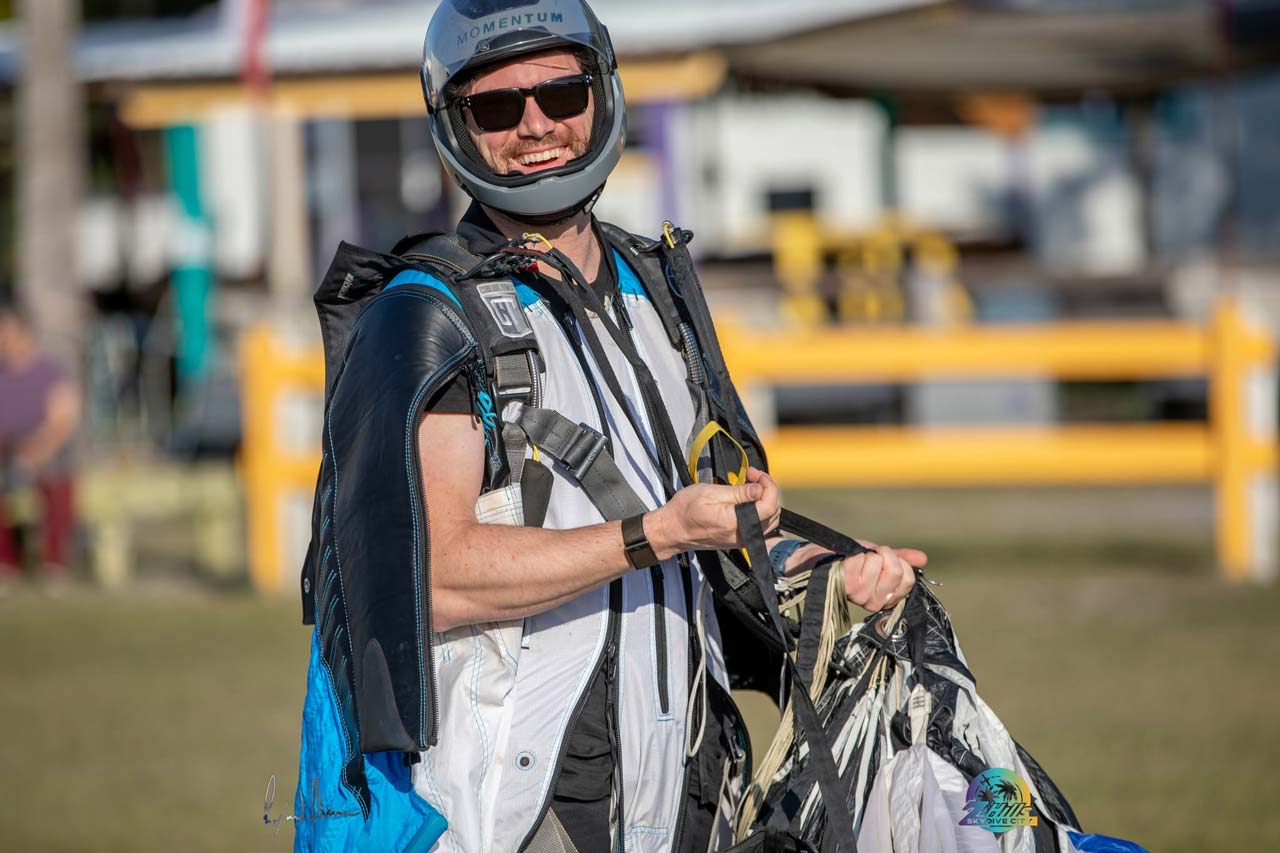
What is Wingsuiting?
Wingsuiting is a style of skydiving where jumpers wear a specially designed suit with fabric wings between the legs and under the arms. These suits are designed to create lift, allowing the skydiver to glide forward at a controlled rate rather than falling straight down like in a traditional skydive freefall.
Often nicknamed “squirrel suits” or even “flying squirrel suits” because of their appearance similar to that of a flying squirrel, wingsuits allow for extended flight time, greater horizontal distance, and an incredible sense of control and freedom in the sky. There are certain experiences and stunts that you can perform with a wingsuit that you can’t quite achieve with any other type of skydiving suit.
Wingsuit Technology & Terminology
Wingsuits have come a long way from their early experimental days. Modern suits are engineered for safety, performance, and different experience levels – from beginner to expert. The suits are made with high-performance materials, including lightweight fabric and internal ribs for airflow shaping.
The wingsuit glide ratio refers to how far forward a skydiver can fly for every unit of descent. While a skydiver in freefall may fall almost straight down, a wingsuit flyer can achieve a glide ratio of around 2.5:1 or more – meaning they can glide 2.5 feet forward for every 1 foot they descend. Advanced pilots and suits can achieve even greater glide performance. The glide ratio is also dependent on environmental factors such as wind speed and direction.
Can You Wingsuit Without Experience?
Wingsuiting isn’t something you can jump into right away – and that’s a good thing! It is a highly advanced skydiving discipline that requires a solid foundation of skills, discipline and proper training.
Wingsuits fundamentally change how your body flies, how you maneuver, and how you deploy your parachute. Without experience, it’s not only unsafe – it’s not allowed by most regulatory bodies and dropzones around the world. While the path to wingsuiting takes commitment, it’s absolutely achievable with patience and dedication.
What qualifications do you need to wingsuit? In order to fly a wingsuit, most countries and dropzones require you to:
- Hold a valid skydiving license
The United States Parachute Association (USPA), for example, requires that you have at least a USPA B-license or equivalent.
- Complete a minimum number of skydives
Often around 150 to 200 jumps
Successfully complete a Wingsuit First Flight Course (FFC)
How to Get into Wingsuit Flying
Wingsuit training does not start with the Wingsuit FFC. There is a whole process that needs to happen before you can even attend a wingsuit course.
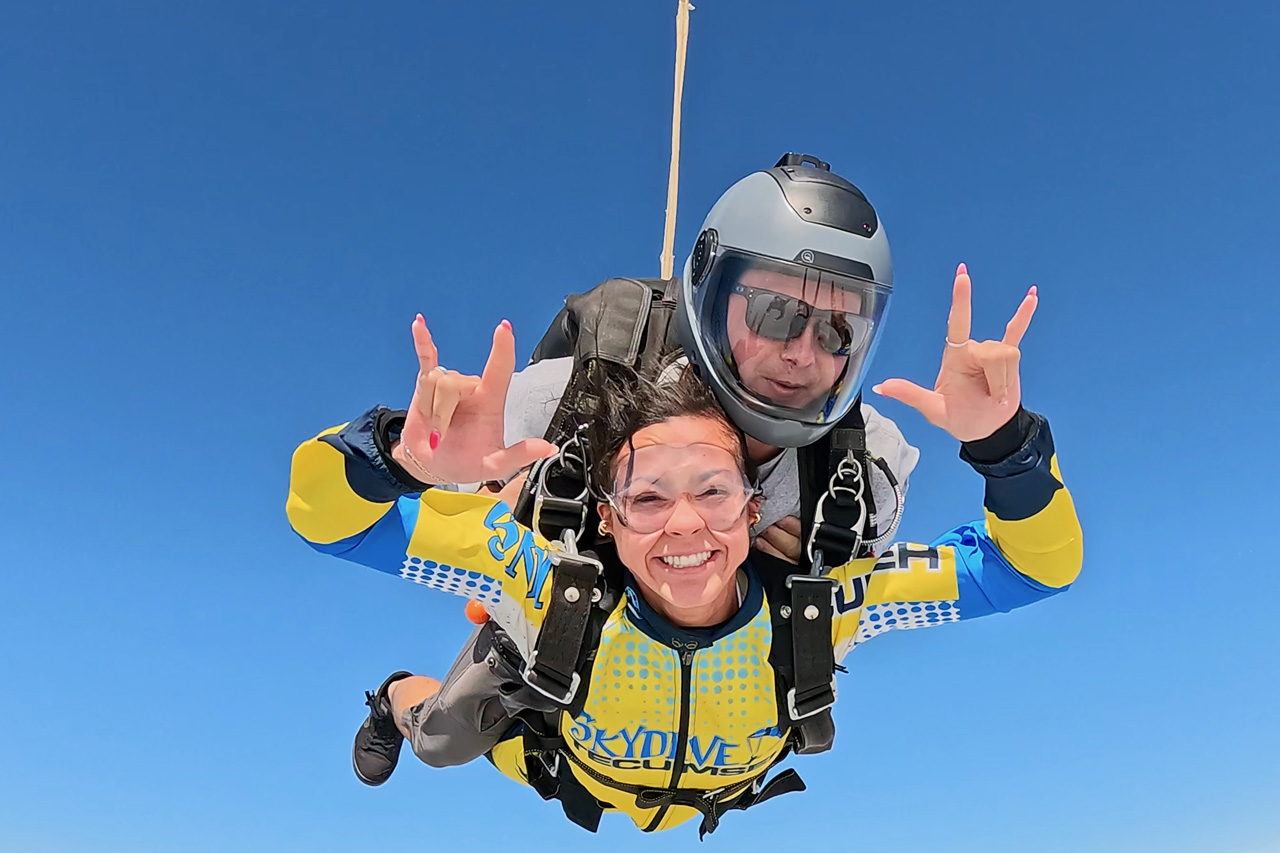
1. Go Tandem Skydiving
A tandem skydive is the recommended first step to any skydiving journey. This introductory skydive pairs you with a professional instructor, letting you experience the feeling of skydiving without the added pressure of operating and landing your own parachute.
2. Become a Licensed Skydiver
Once you’ve gotten a taste of the skies, you’ll need to sign up for a First Jump Course (FJC) or equivalent at your local dropzone to earn your skydiving license. Through a series of jumps and instruction, you’ll learn how to successfully exit an aircraft, control your body in freefall, deploy your parachute, and land with confidence. There are multiple license levels that you can achieve by attending other courses and mastering protocols, procedures, and techniques.
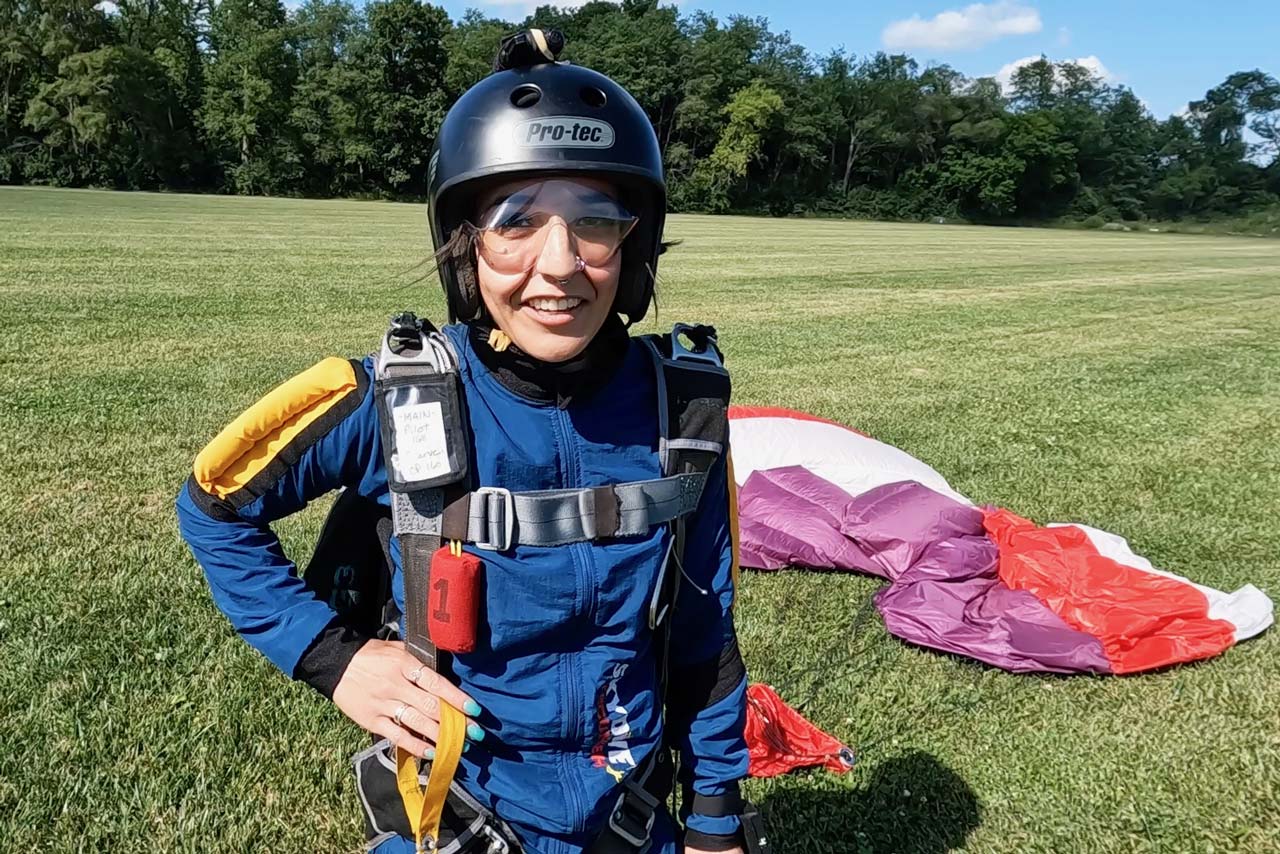
3. Build Skydiving Skills
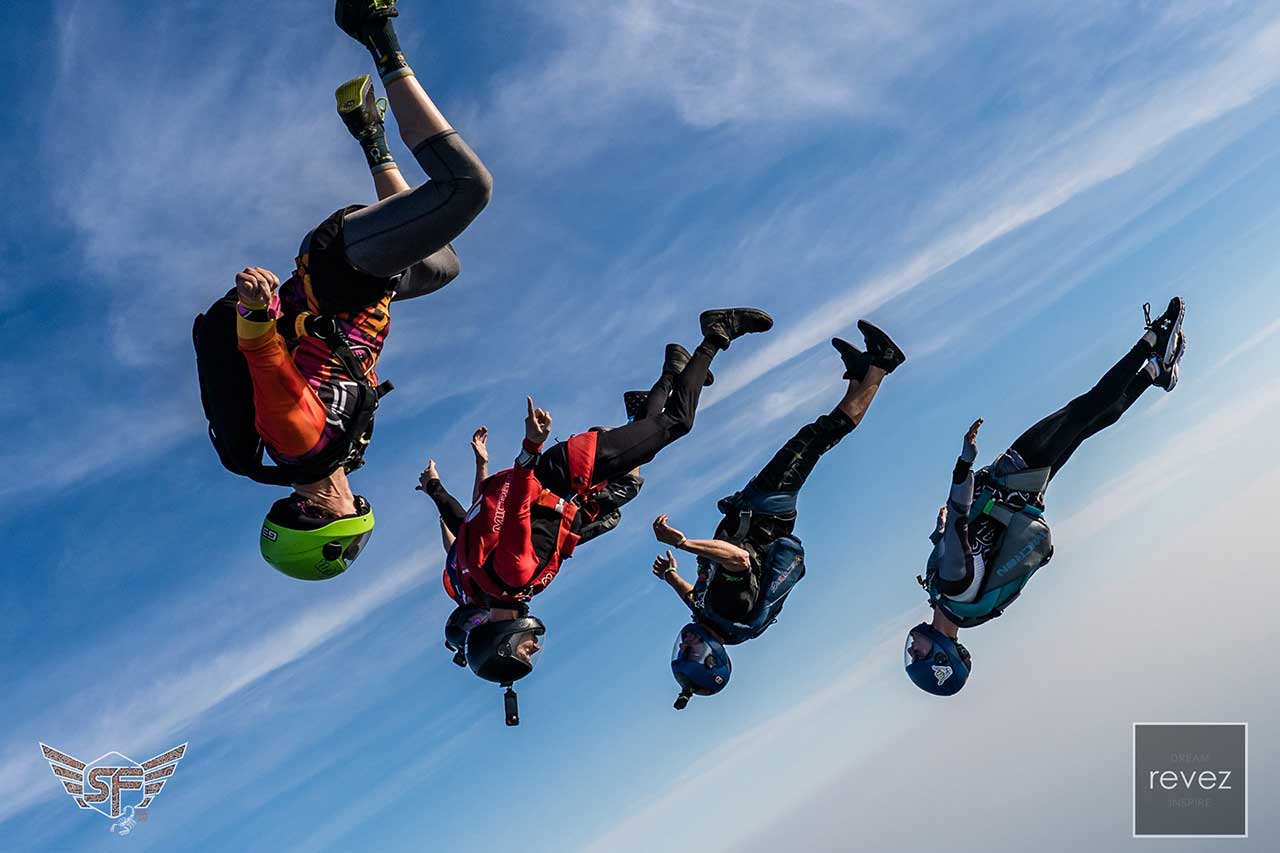
You’ll typically need to complete at least 200 jumps before wingsuiting at most dropzones. Use this time to hone your skills, practice stability, and explore other disciplines, like angle flying. You’ll want to focus on becoming a master of tracking – this is where a skydiver flies their body at an angle to move at faster, horizontal speeds. Once you feel comfortable, angling or tracking with other skydivers is a great way to prepare for wingsuiting with others – which we call “flocking.”
4. Complete the Wingsuit First Flight Course
Once you’ve met the prerequisites and feel confident in your skills, you can start your Wingsuit First Jump Course! During the FFC, you’ll learn essential wingsuiting safety protocols, flight mechanics, and gear usage before making your first wingsuit jump under instructor supervision.
5. Get a Wingsuit
You may want to start with a beginner-friendly wingsuit that allows for stable, slower flight – but take that advice from your wingsuit skydiving instructor. There are many different types of wingsuits out there that are designed for various disciplines: racing, XRW, and acrobatics. When you’re ready to buy, work with experienced wingsuiters, your instructor, and manufacturers to find the right fit and features for your skill level.
How Much Does it Cost to Get into Wingsuiting?
Before you jump into your wingsuit journey, you should know that learning to wingsuit can be costly. The cost depends on the school you attend, but after everything is said and done you can expect to pay anywhere from $17,000 to $25,000 in total (gear included) to learn how to wingsuit. Keep in mind that these costs do not include additional coaching, higher jump ticket prices, or travel.
What About Wingsuit Base Jumping?
You may have seen awesome videos of wingsuiters jumping from cliffs and soaring through gorgeous valleys. If this is something you’re looking to achieve, you’ll need extensive skydiving experience, wingsuit flight time, and dedicated BASE training. It typically takes hundreds of skydives and a careful, gradual progression under expert mentorship. If wingsuit BASE is your dream, embrace the long-term journey and always prioritize safety above all else.
Ready to soar? Find a dropzone near you and take the first leap towards getting your wingsuit certification today! Blue skies.
You May Be Interested In:
Top Skydiving Boogies Worth Traveling For
4 days ago by SKYDIVINGDOTCOM
Best Places to Skydive in the World | Top Skydiving Destinations 2026
3 weeks ago by SKYDIVINGDOTCOM

What Are the Different Types of Skydiving? Disciplines Explained
1 month ago by SKYDIVINGDOTCOM
USPA Skydiving License Levels Explained
2 months ago by SKYDIVINGDOTCOM
DZ Locator
Find a skydiving center near you.